Netflix Sparks New Gorilla Trekking Excitement in Uganda
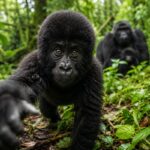
Few wildlife encounters carry the same emotional punch as standing a few metres away from a mountain gorilla deep in the rainforest. Now, more than half a century after Sir David Attenborough first brought the species into living rooms around the world, a new Netflix documentary is reigniting public fascination with one of Africa’s most remarkable travel experiences.
The release of A Gorilla Story: Told by David Attenborough on Netflix in April has triggered a rise in enquiries for gorilla trekking holidays, according to African adventure specialist Acacia Africa. The documentary follows the descendants of a gorilla family first encountered by Attenborough more than 50 years ago, revisiting Rwanda’s volcanic forests and examining the fragile survival story of the endangered primates.
Yet while Rwanda provides the cinematic backdrop, neighbouring Uganda is increasingly becoming the destination drawing practical-minded travellers. Rising international travel costs, fluctuating exchange rates and tighter holiday budgets are pushing many tourists to compare gorilla trekking permits more carefully than they did in previous years. Uganda, with its lower permit fees and broader backpacking infrastructure, is emerging as the more accessible route into the same unforgettable experience.
Wildlife tourism continues to rebound strongly across East Africa following years of pandemic disruption, while streaming platforms have dramatically increased public exposure to conservation stories. Programmes centred on wildlife, ecosystems and environmental recovery have consistently translated into spikes in destination interest, especially among younger travellers looking for meaningful long-haul adventures rather than conventional beach holidays.
Uganda Steps Into the Spotlight
For years, Rwanda dominated luxury gorilla tourism marketing. Slick lodges, premium permits and easier airport connections positioned the country as the flagship destination for high-end primate encounters. Uganda, meanwhile, often appealed more to overland travellers, wildlife enthusiasts and backpackers prepared for rougher roads and longer journeys.
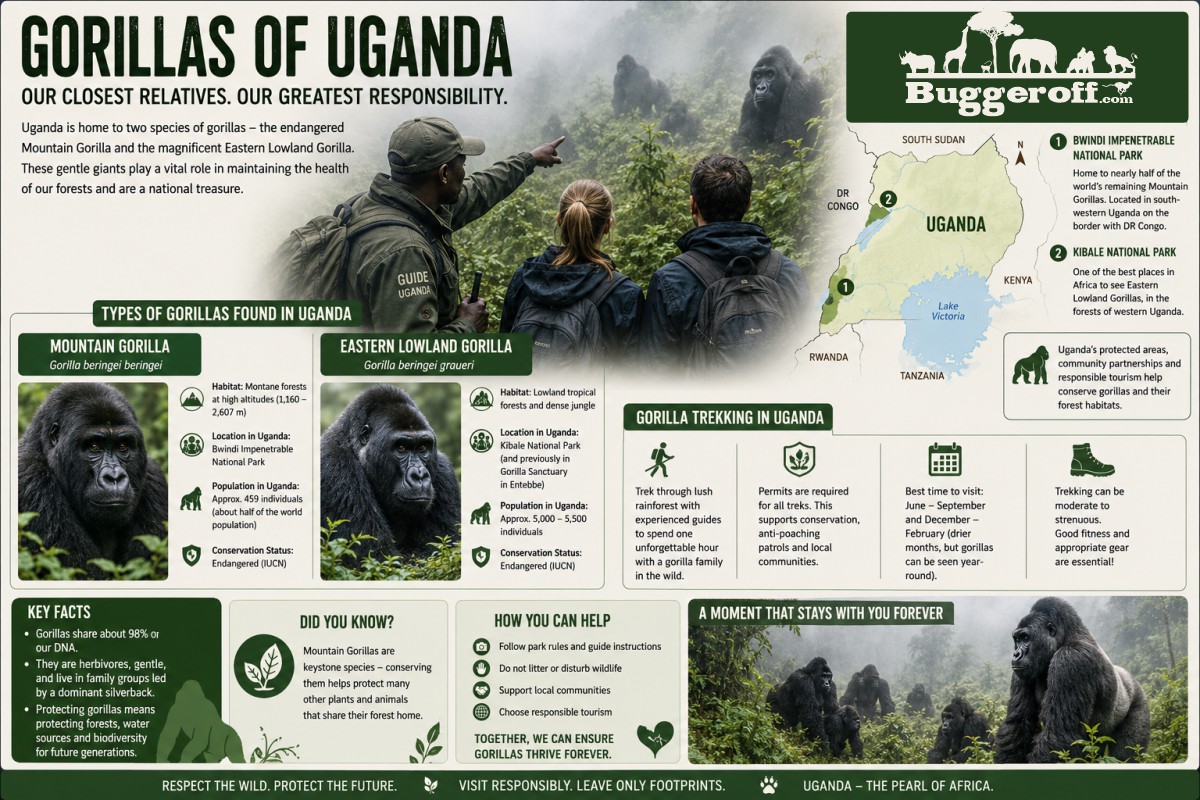
That balance has started to shift. Uganda’s gorilla permit remains significantly cheaper than Rwanda’s, and the country offers a broader mix of experiences around the trek itself. Travellers heading into the south-western highlands can combine gorilla tracking with chimpanzee encounters, safaris, village visits, canoe excursions and hiking, all within a single itinerary.
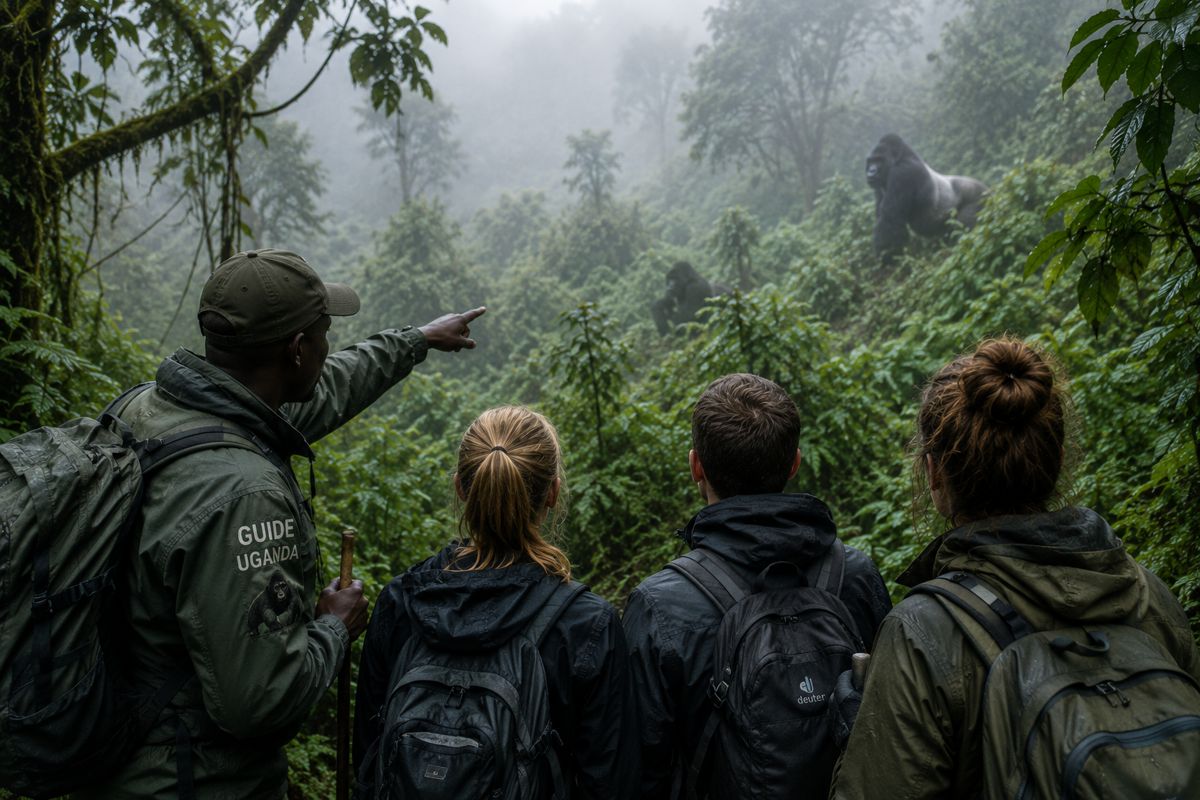
Arno Delport, Sales & Marketing Manager at Acacia Africa, said: “Uganda is emerging as the practical choice for travellers seeking the same iconic wildlife moment, especially with wider global pressures affecting the cost of travel. A once-in-a-lifetime experience, Bwindi Impenetrable Forest is home to almost half of the world’s remaining population of this critically endangered species, with guided encounters taking place in dense, atmospheric rainforest.”
That combination of value and authenticity is proving increasingly attractive. Uganda’s tourism industry has spent years refining its infrastructure around Bwindi Impenetrable National Park without stripping away the raw, adventurous edge that many travellers actually want. Roads remain challenging in places, weather conditions unpredictable and trekking routes physically demanding, but for many visitors that’s precisely the point.
The Long Recovery of Mountain Gorillas
The resurgence in gorilla tourism also reflects one of conservation’s rare good news stories. Mountain gorillas were once thought to be edging steadily towards extinction. Habitat loss, poaching, political instability and disease pushed populations dangerously low during the late twentieth century.
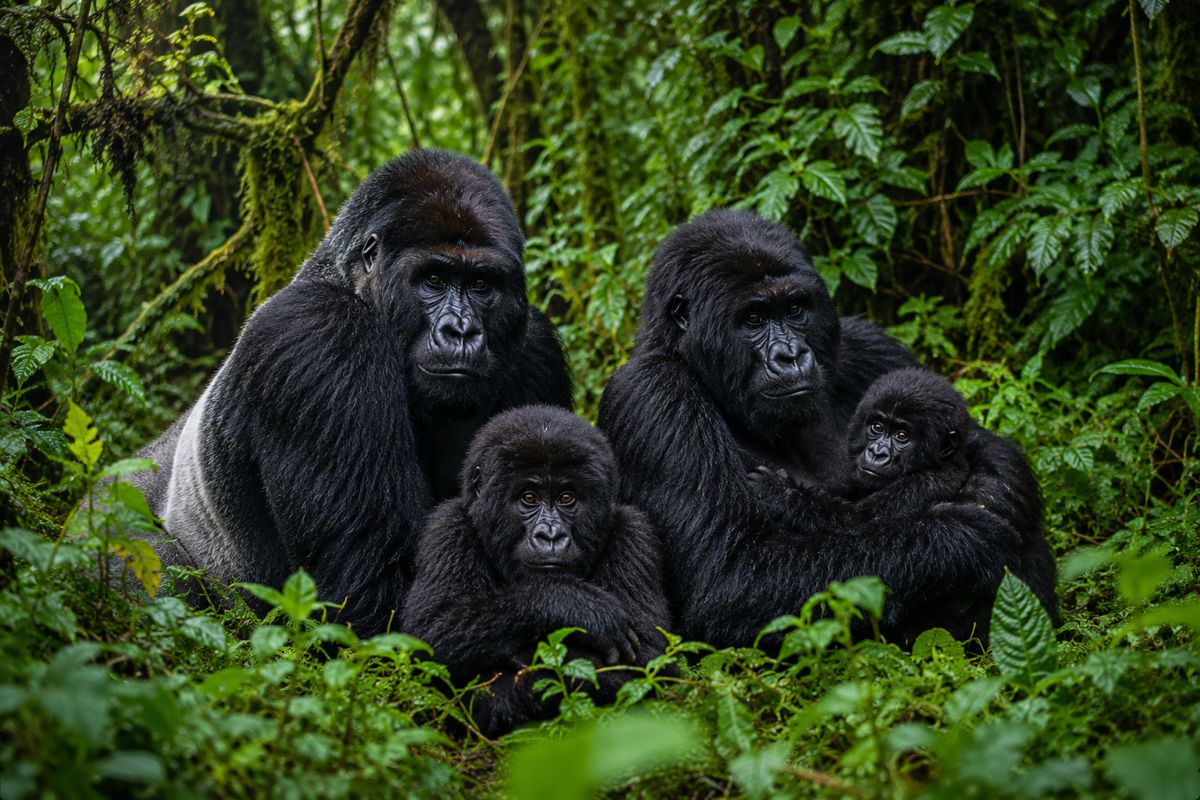
Conservation programmes across Uganda, Rwanda and the Democratic Republic of Congo gradually changed that trajectory. According to figures from the International Gorilla Conservation Programme and the World Wildlife Fund, mountain gorilla numbers have risen slowly over recent decades, with the total population now estimated at just over 1,000 individuals worldwide. That still places the species among the world’s most endangered primates, but it represents a significant recovery compared with previous decades.
Tourism revenue has become central to that recovery. Gorilla permits generate substantial funding for park management, anti-poaching patrols, veterinary care and community development schemes. Local employment linked to trekking tourism has also helped shift economic incentives away from illegal hunting and forest encroachment.
Uganda’s Bwindi Impenetrable National Park remains one of the most biologically diverse rainforests in Africa. The UNESCO World Heritage Site stretches across steep ridges and thick jungle terrain close to the border with the Democratic Republic of Congo. Beyond gorillas, the forest supports hundreds of bird species, butterflies, mammals and rare plant life, making it one of East Africa’s most ecologically important protected areas.
The Attenborough Effect Still Carries Weight
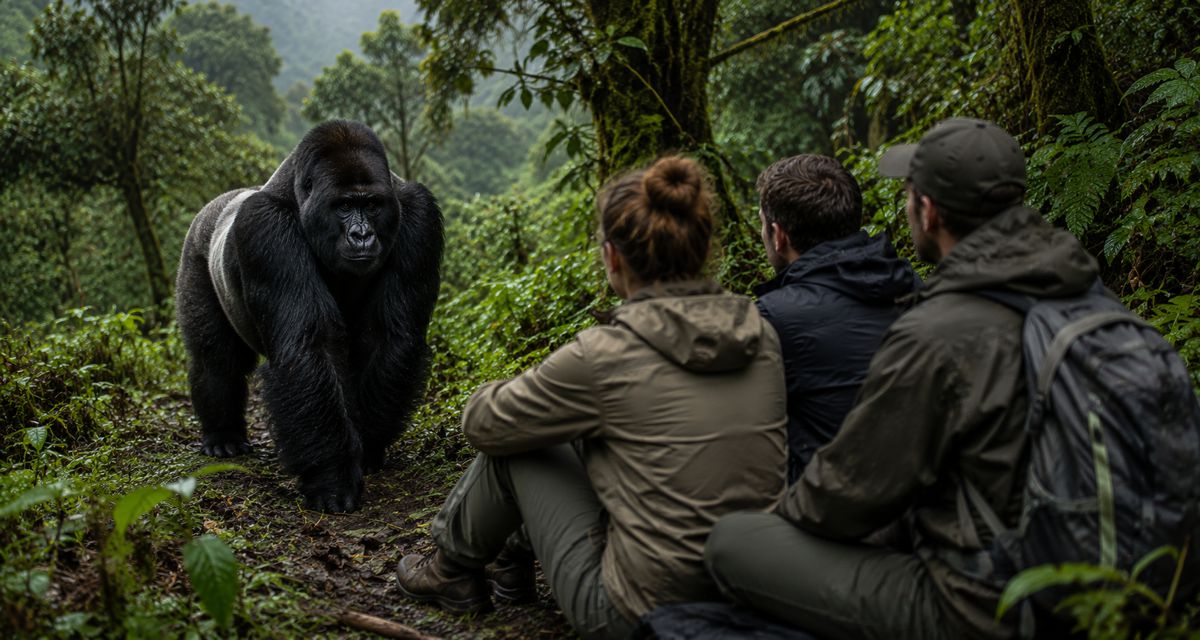
David Attenborough’s connection with mountain gorillas stretches back decades. His early encounters with gorillas in Rwanda became some of the defining wildlife sequences in modern broadcasting, helping humanise a species that much of the world barely understood at the time.
Even in 2026, that influence still resonates. Streaming audiences are vast, global and immediate. Unlike traditional travel advertising, wildlife documentaries often create a more emotional connection with viewers. People don’t simply see a destination. They see behaviour, family structures, intelligence and vulnerability.
Travel analysts have long observed what some in the tourism industry casually refer to as the “Attenborough effect”. Destinations featured prominently in major wildlife documentaries frequently experience sharp increases in online searches, enquiries and bookings shortly after release. Similar trends followed documentaries focused on the Galápagos Islands, Antarctica and African safaris over recent years.
This latest release arrives during a period when experiential travel is evolving rapidly. Travellers increasingly prioritise immersive, emotionally driven experiences over conventional sightseeing itineraries. Gorilla trekking fits neatly into that trend because it combines physical challenge, environmental awareness and genuine rarity. There are no guarantees, no staged performances and no easy access routes. Visitors enter the forest knowing the experience depends entirely on the movements of wild animals.
Gorilla Tourism Walks a Delicate Line
The renewed popularity of gorilla trekking brings economic benefits, but it also creates pressure. Conservation groups continue to stress that gorilla tourism only works when carefully controlled.
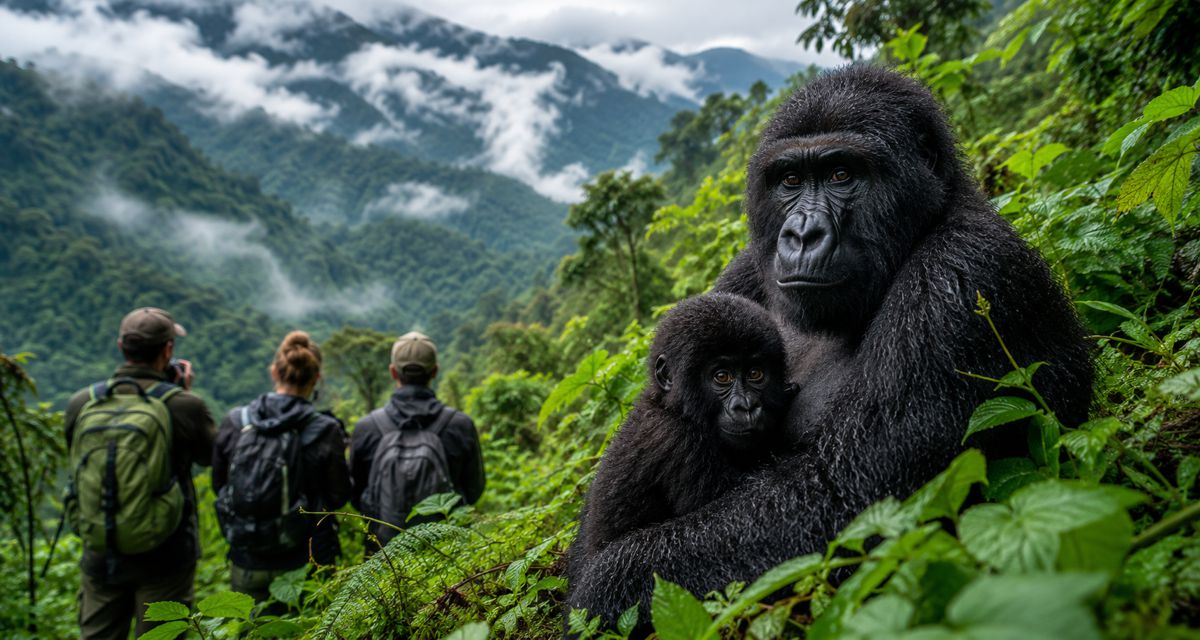
Both Uganda and Rwanda tightly regulate permit numbers to limit human interaction with the animals. Visitors must follow strict health protocols, maintain distance from the gorillas and limit viewing times. Rangers monitor groups closely to minimise behavioural disruption and reduce the risk of transmitting diseases to the primates.
Mountain gorillas remain highly vulnerable to human illnesses, particularly respiratory infections. Conservation authorities became especially cautious following the COVID-19 pandemic, introducing tighter health screening measures and revised trekking protocols across several parks.
There is also growing debate around balancing exclusivity with accessibility. High permit costs help fund conservation, but they can also restrict participation to wealthier travellers. Uganda’s lower-cost approach arguably broadens access while still supporting conservation funding, although authorities continue to face the challenge of managing growing demand sustainably.
Adventure Travel Shifts Towards Meaningful Experiences
The rising interest in gorilla trekking reflects broader shifts within the global adventure travel market. According to the Adventure Travel Trade Association, travellers are increasingly seeking trips tied to conservation, culture and environmental understanding rather than purely luxury-driven tourism.
East Africa is particularly well positioned for that trend. Uganda combines wildlife encounters with landscapes that still feel relatively untouched by mass tourism. Travellers can move from savannah safaris to rainforest trekking, crater lakes and remote mountain communities within a relatively compact geographical area.
Acacia Africa’s six-day Gorilla Encounter Adventure Camping tour reflects that broader appeal. The itinerary includes mountain gorilla trekking in Bwindi, chimpanzee tracking near Queen Elizabeth National Park and extended time around Lake Bunyonyi, one of Uganda’s best-known highland lakes. Activities around the lake range from kayaking and birdwatching to guided walks through surrounding villages.
Importantly, these itineraries are increasingly attracting travellers well beyond the traditional backpacking demographic. Older independent travellers, solo adventurers and experience-focused couples are now driving much of the market growth. Flexible tour structures, no single supplements and smaller group sizes are becoming key selling points across the sector.
A Rare Wildlife Experience Still Holding Its Value
Wildlife tourism has changed dramatically over the past decade. Social media exposure, luxury safari marketing and mass online travel content have turned many once-remote experiences into mainstream bucket-list products. Gorilla trekking, however, still retains a sense of rarity that many other wildlife experiences have lost.
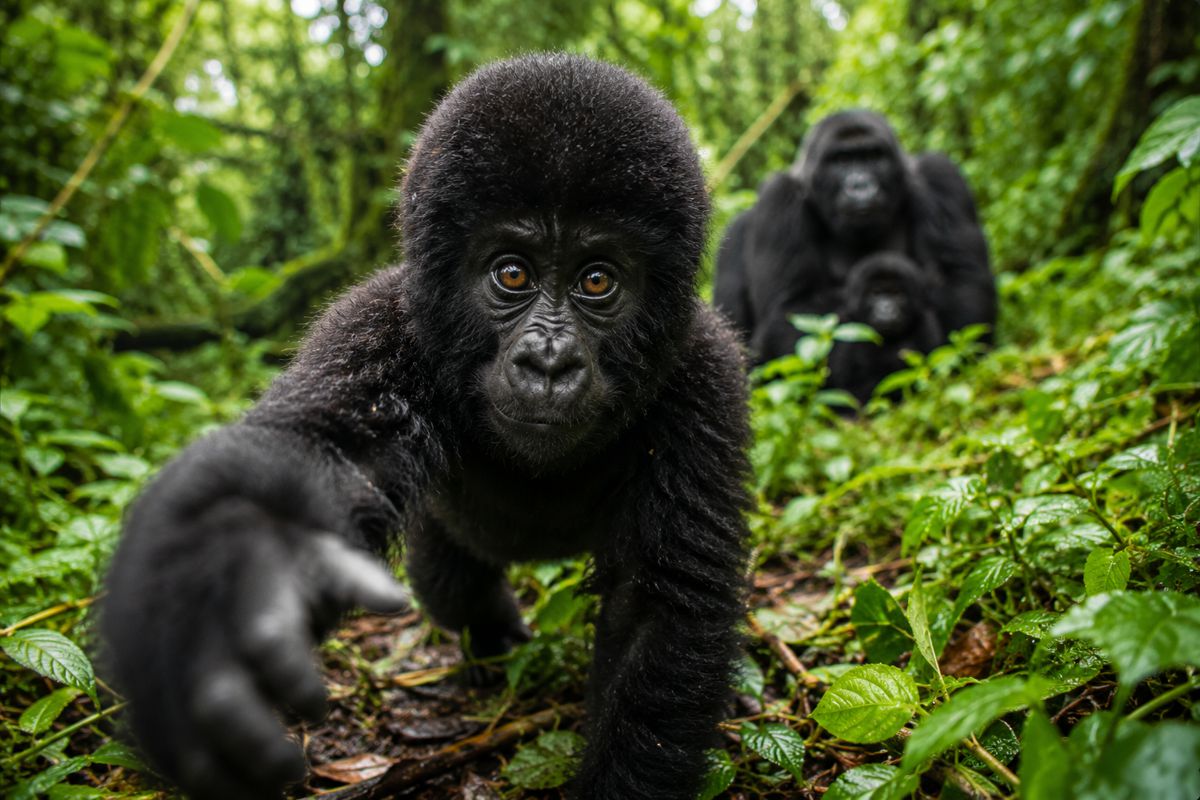
Part of that comes down to simple numbers. Mountain gorillas remain critically endangered, permits are tightly limited and trekking conditions remain physically demanding. There’s no conveyor belt tourism deep inside Bwindi’s rainforest. Reaching a habituated gorilla family can take hours of hiking through mud, thick vegetation and steep terrain.
That challenge is part of the appeal. For many travellers, the experience feels earned rather than packaged. It strips away the polished edges of mainstream tourism and replaces them with something slower, quieter and more unpredictable.
As Netflix’s latest documentary introduces a new global audience to the story of mountain gorillas, Uganda appears well positioned to capture the attention of travellers searching for something more substantial than another standard holiday itinerary. The rainforest may be ancient, the roads rough and the conditions far from comfortable at times, but that’s exactly what keeps the experience authentic.