The Highlands in the Lowlands
Early June on the Dutch coast doesn’t always look like summer.
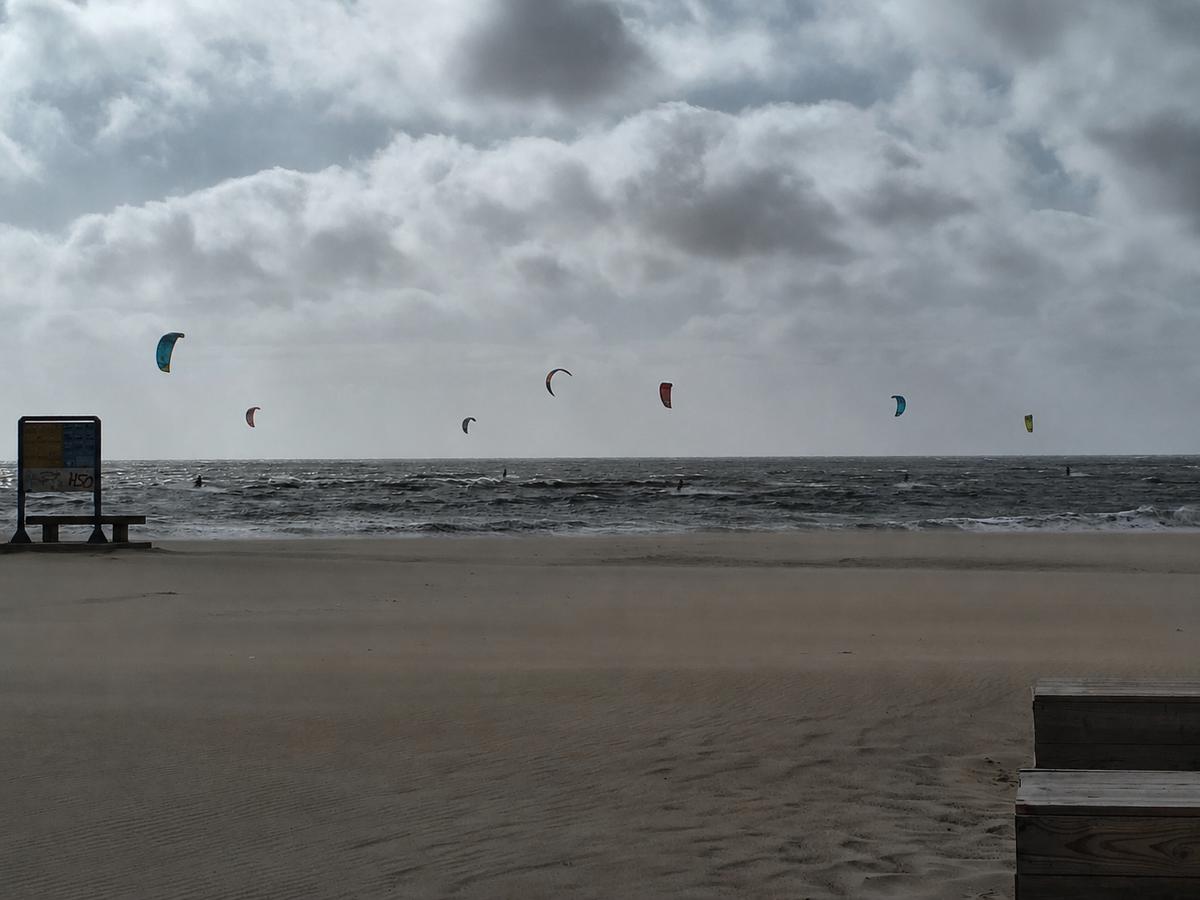
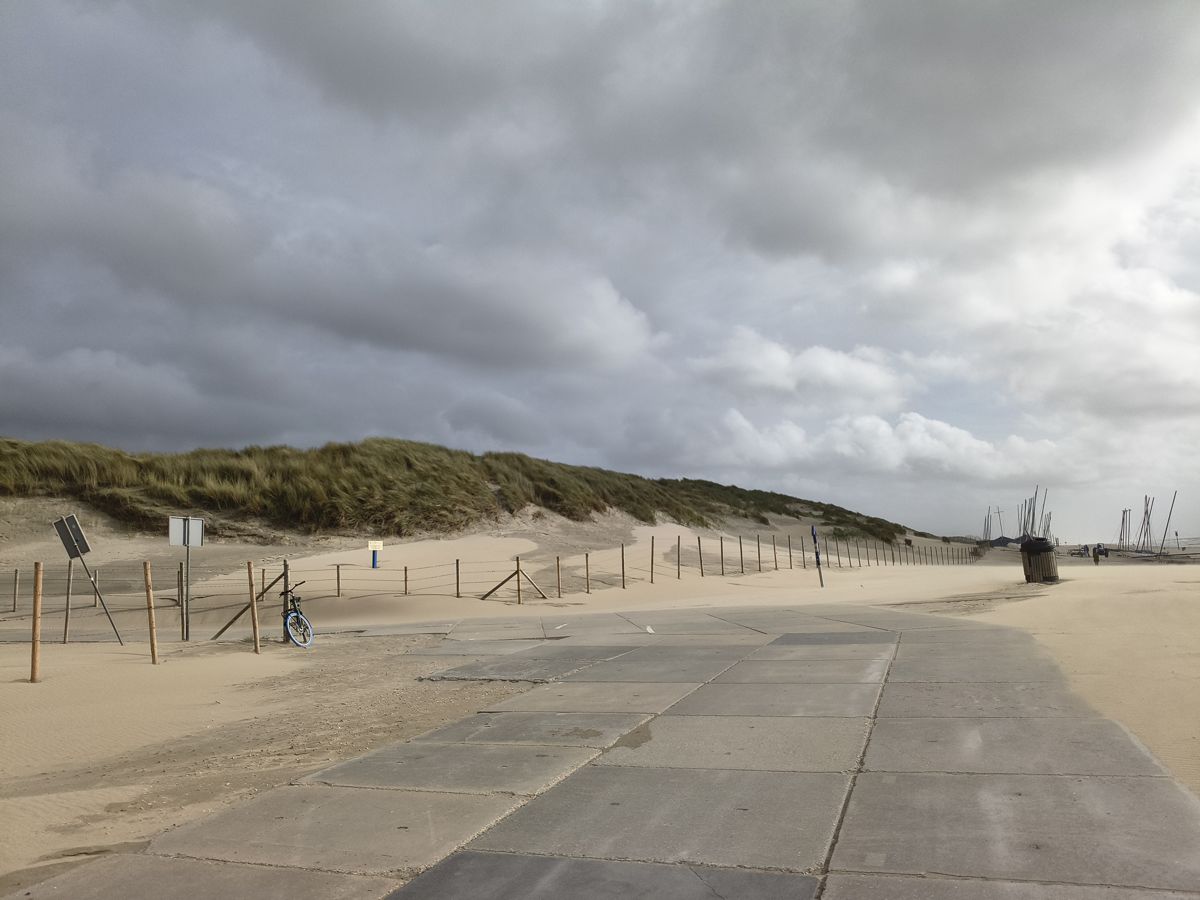
Dinner at the beach at The Hague, at Strandpaviljoen De Staat came with dark skies rolling across the North Sea, gusting winds and fine rain drifting sideways in the air. Sand skimmed across the beach in waves while further out, kite surfers seemed to multiply with every strengthening gust, carving through the grey water as if the weather had finally turned in their favour.
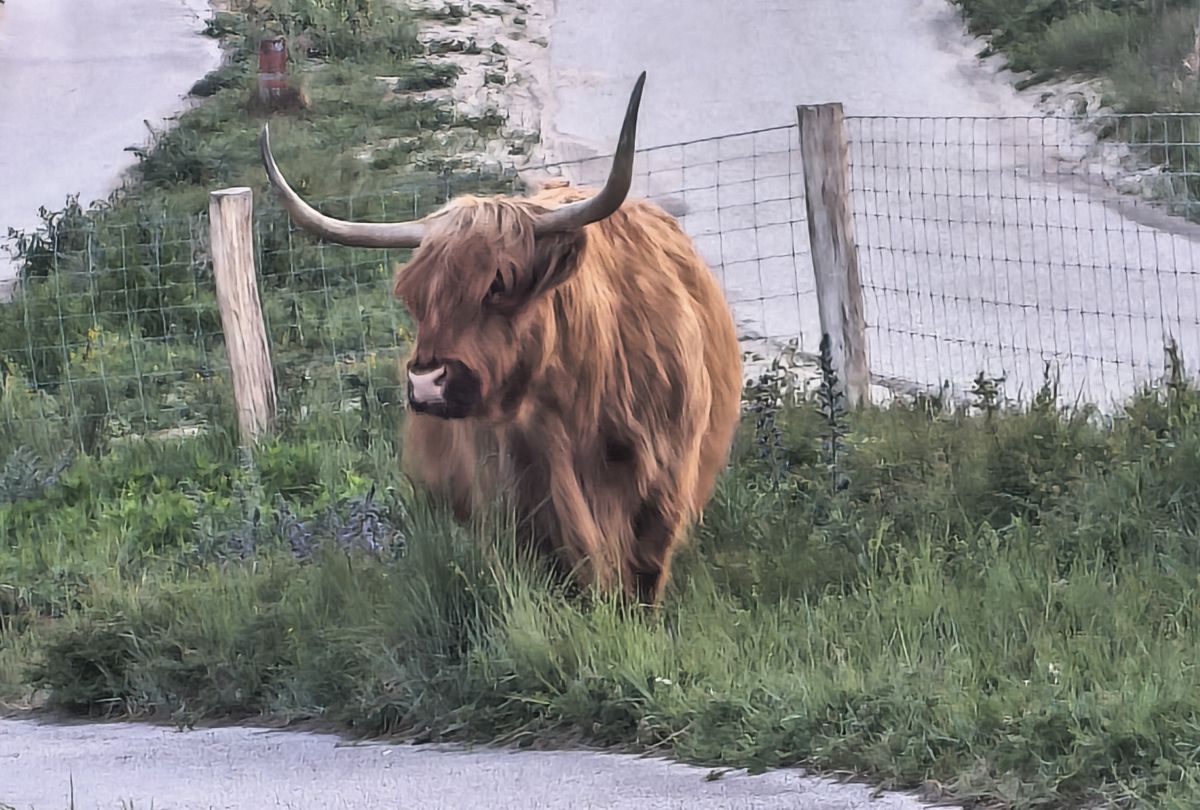
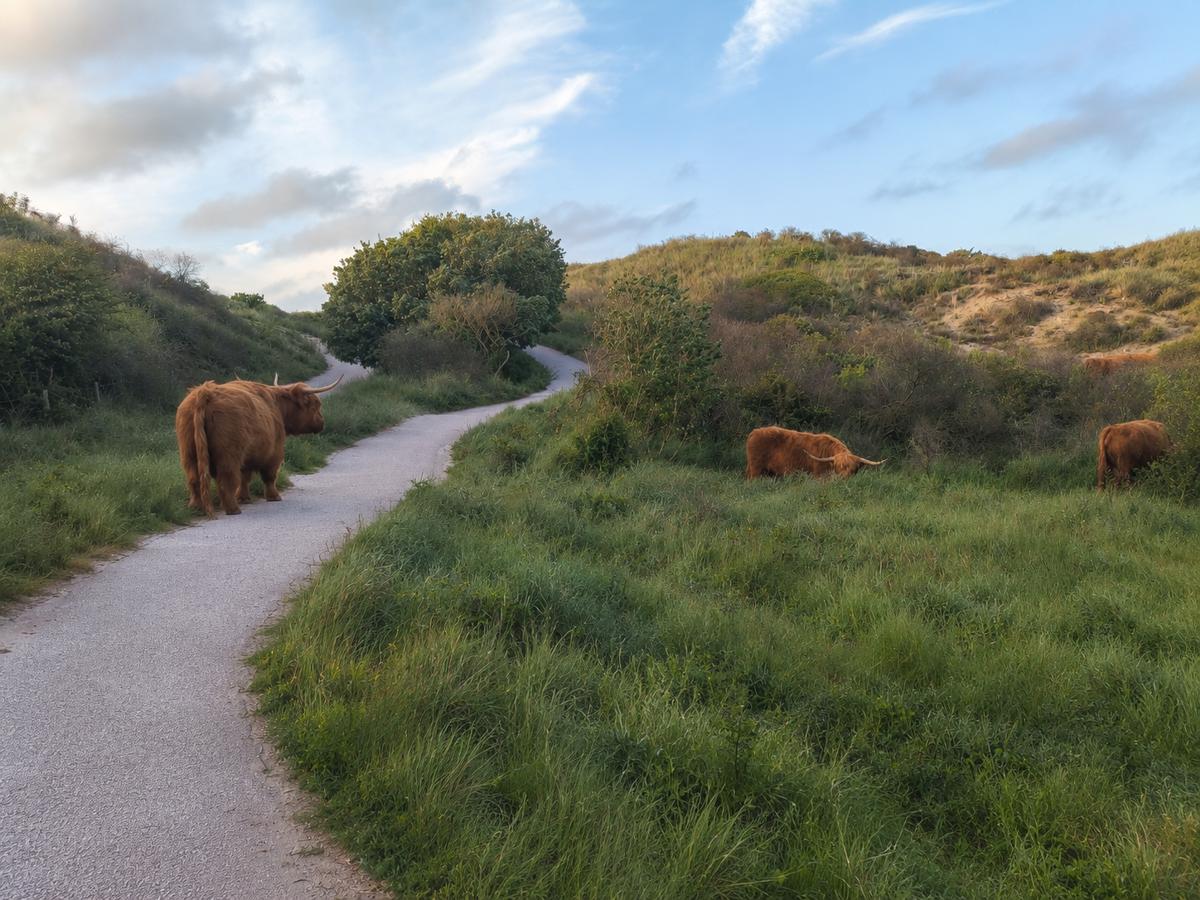
With the evening drawing in, our route back cut inland through the dunes. The sea faded behind and the landscape became quieter, emptier and somehow wilder. Then, standing among the grasses and watching without concern, appeared a small herd of Highland cattle.
Scotland, apparently, had found its way to The Hague.
Long horns. Heavy coats. Calm expressions. Entirely unconcerned by the fact they seemed wildly out of place.
Except they weren’t.
The Dutch dunes are one of Europe’s quieter conservation success stories, and these shaggy icons of the Scottish Highlands have become unexpected custodians of the landscape.
Nature’s Unlikely Groundskeepers
For centuries, people shaped the dunes along the Dutch coast. Development, visitor pressure and changing land management altered ecosystems that once relied on natural disturbance.
That disturbance matters more than most people realise.
Without grazing animals, dunes slowly become overgrown. Shrubs spread, biodiversity changes and open landscapes begin disappearing. Conservationists needed a solution that didn’t involve constant machinery, fuel, noise or intensive maintenance.
Their answer looked unexpectedly Scottish.
Highland cattle, descendants of one of Europe’s oldest registered cattle breeds, are famously resilient. Originating in the rugged Highlands and islands of Scotland, they evolved to tolerate harsh weather, poor grazing conditions and exposed environments.
What makes them especially useful isn’t just toughness.
They’re selective but adaptable grazers. They eat grasses, shrubs and vegetation that many domestic cattle ignore. Their movement creates variation across landscapes, opening habitat for insects, birds and wildflowers.
In conservation circles, they’re often called ecosystem engineers.
From Ancient Scotland to Dutch Dunes
Highland cattle trace their roots back hundreds of years and are among the world’s most recognisable livestock breeds.
Traditionally split into two regional types in Scotland – the larger mainland cattle and smaller island animals – they became symbols of remote landscapes and slow rural life.
Today, however, they’ve quietly expanded into a very different role.
Across Europe they’ve been introduced into nature reserves, wetlands and coastal environments to support rewilding and conservation programmes.
The Netherlands has become especially inventive.
The country may be famous for engineering land from the sea, but modern Dutch conservation increasingly works with nature rather than against it. Grazing animals are now used across multiple landscapes to maintain ecological balance.
The result can feel surreal to visitors.
One moment you’re near one of Europe’s most densely populated regions. Minutes later, there’s silence, open dunes and a herd of Highland cattle watching from the distance.
The Rules of Meeting Wild Grazers
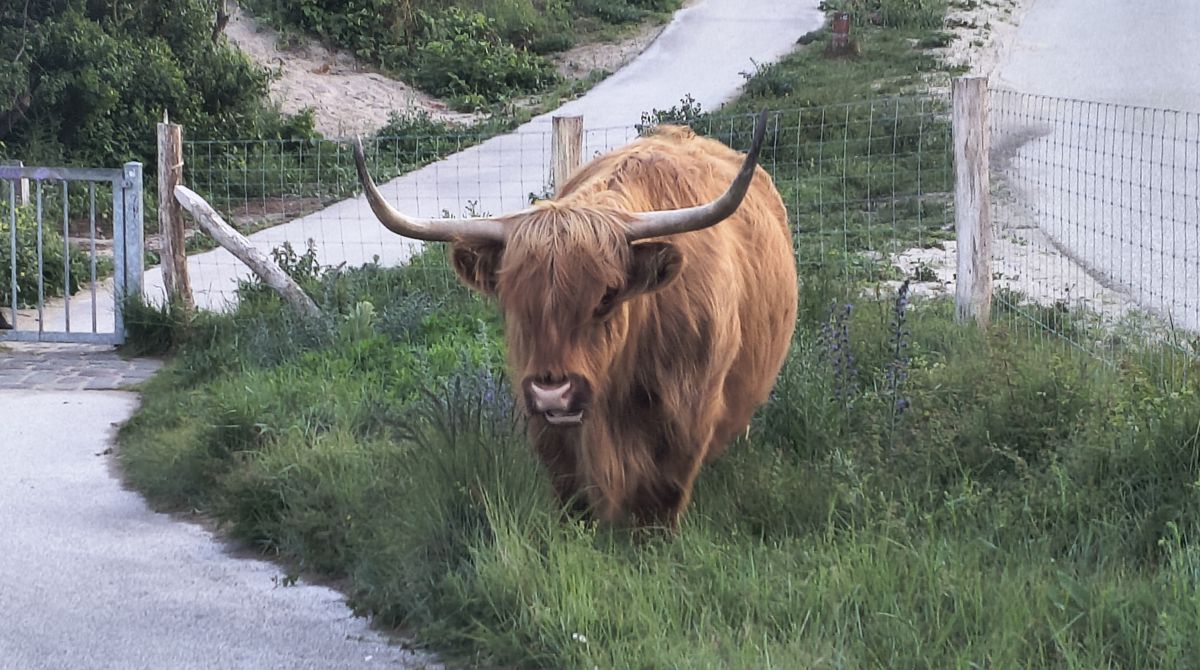
Although they may look relaxed and almost domesticated, these animals should still be treated as wild.
The Dutch approach depends on minimal intervention. Visitors are expected to keep distance, stay calm and allow the animals to move freely.
There’s something refreshing about that.
No fences in sight. No theatrical wildlife experience. No manufactured encounter.
Just a reminder that nature doesn’t always need to be distant or exotic to feel extraordinary.
The Unexpected Side of The Hague
The Hague rarely appears on lists of wild European escapes.
People come for politics, museums, international institutions and city life.
Yet hidden beyond the boulevards and government buildings is another identity entirely – beaches, protected dunes and unexpected encounters.
Finding Highland cattle wandering through coastal grassland after dinner wasn’t part of the itinerary.
That’s exactly why it became memorable.
Travel doesn’t always need dramatic landscapes or expensive expeditions.
Sometimes it just needs a walk home through the dunes and the sudden realisation that Scotland has quietly moved to the Netherlands.